Reproductive physiology: High-elevation Pregnancies
Deer mice display evolutionary adaptations to offset the effects of gestational hypoxia, a discovery that could shed light on human complications during high-elevation pregnancies.

Biologist Kate Wilsterman is amazed by pregnancy. Specifically, she’s interested in species’ adaptive strategies for dealing with the effects of high elevations, where oxygen is less abundant.
For mammals, including humans that gestate at high elevations, a fetus may be deprived of enough oxygen, called gestational hypoxia. Gestational hypoxia in humans is linked to low birth weight and birth defects.
Wilsterman, assistant professor in the Department of Biology, and colleagues, showed in a recent study that mammals’ ability to support fetal growth is significantly affected by decreased oxygen at high elevations. At the same time, species adapted to living at high elevations have differences in their genes that protect against hypoxia. This adaptation has been observed among some human populations, such as people of Tibetan or Andean ancestry, in which mothers carry added placental protections against the effects of hypoxia on their fetuses.
According to this new research, it turns out humans’ distant mammalian cousins, deer mice, are a good model for studying evolutionary adaptations that offset the effects of hypoxia on fetal and placental development across all mammal species, including humans.
Highland and lowland mice
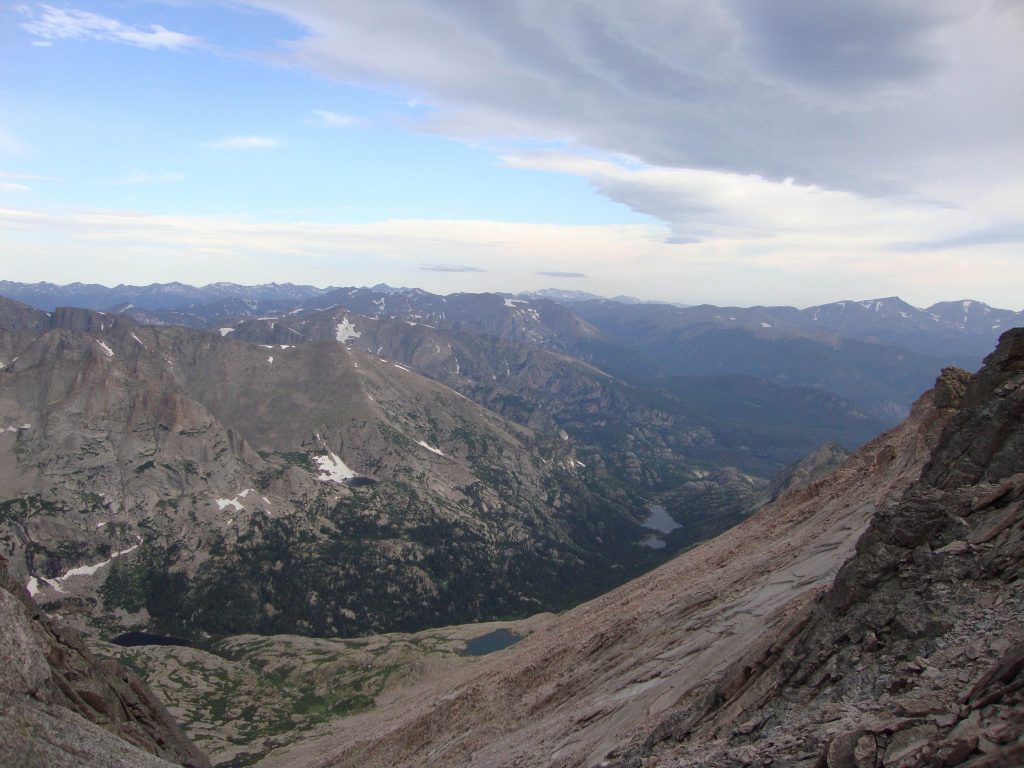
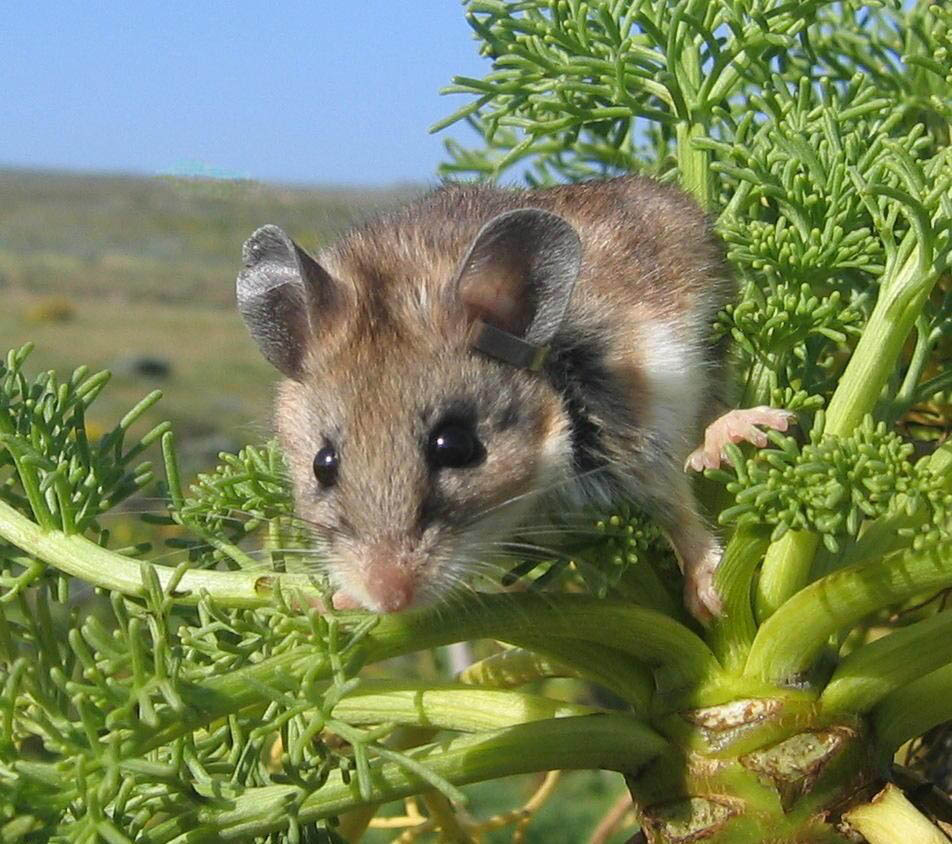
The researchers studied different populations of field mice that live at both high (the summit of Mount Blue Sky, Colorado) and low (Ann Arbor, Michigan) elevations. They found that lowland mice suffered stunted fetal growth when exposed to hypoxia, but highland mice prevented the effects of hypoxia on fetal growth by altering their placentas. The study by Wilsterman and co-authors also uncovered genetic changes associated with this adaptive strategy.
Evolutionary adaptation to high elevations is well studied in both humans and deer mice, but historically that work has been focused on cardiovascular effects, i.e., things related to exercise, Wilsterman explained. The Proceedings of the National Academy of Sciences study is a first insight into gestational adaptations in mice.
“Our results suggest that these reproductive changes are an important part of how mammals must adapt to high elevations over evolutionary timescales,” she said. “These findings thus highlight an underappreciated set of physiological processes that are involved.”
According to Wilsterman, there are deeply conserved processes that contribute to placental development across mammals, and the deer mice they used in their study share some of these gene networks and developmental processes with humans.