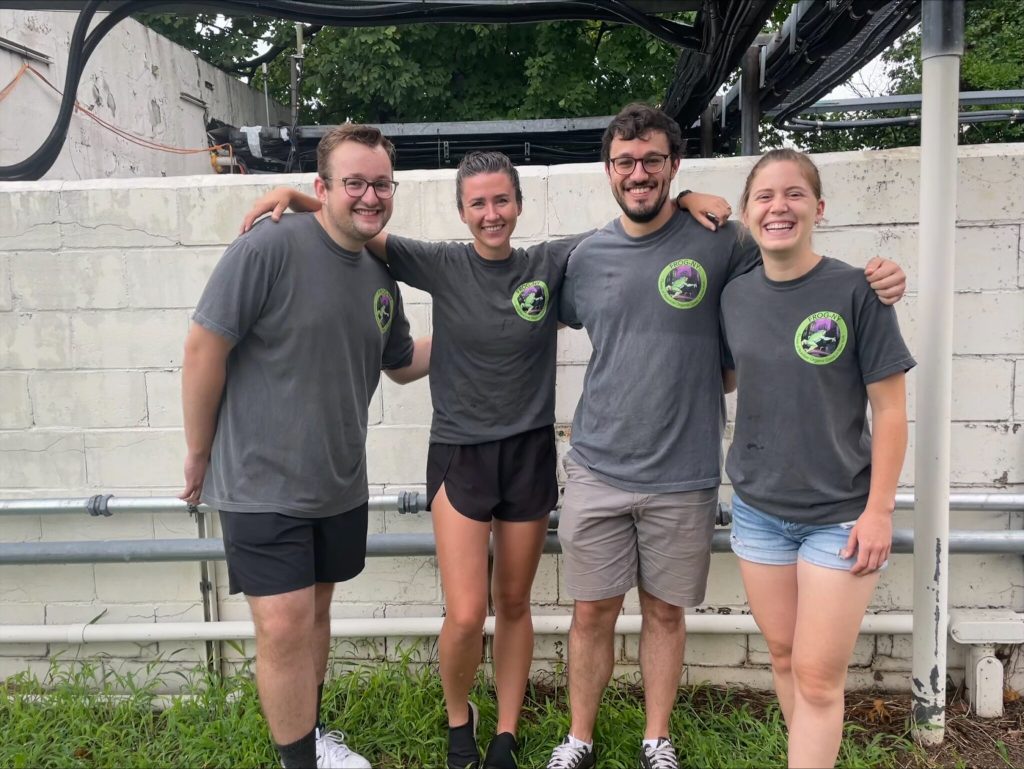
CSU leads AI development for use in mobile, rural health clinic


Colorado State University is leading the development of artificial intelligence systems as part of a $25 million research project that seeks to bridge gaps in rural health care by equipping mobile clinics with smart technology.
A key goal of the project is to develop AI systems that can help general practitioners make diagnoses, run and interpret tests, and perform procedures like specialists – all from small, mobile setup parked in remote areas, said Computer Science Assistant Professor Nikhil Krishnaswamy.
“We want to bring the hospital to the patient in support of better health outcomes,” he said. “The use of AI in this scenario presents a difficult and exciting challenge but will improve access, lower costs, and potentially enable more complex procedures that are needed in rural communities.”
The multi-institution project is led by the University of Michigan and funded through the Advanced Research Projects Agency for Health (ARPA-H), which supports the development of transformative biomedical and health breakthroughs. Research work at CSU is being led through the Department of Computer Science within the College of Natural Sciences.
Access to medicine is an increasingly important issue nationally. Many rural areas in the U.S. simply do not have enough trained medical staff to meet demand, and residents are often forced to travel great distances in search of care for chronic conditions. This has led to poor health outcomes in those communities, including lower life expectancy rates and higher overall health care costs due to delayed treatments and additional travel expenses.
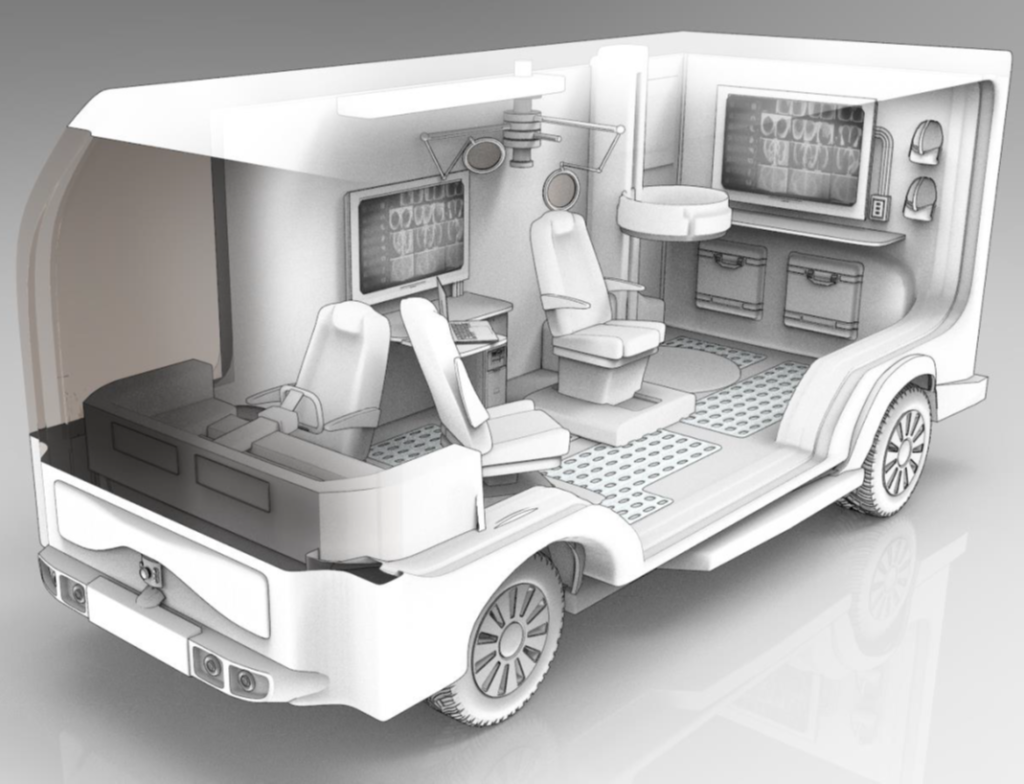
Krishnaswamy said the project team hopes to design a prototype clinic that can address those issues over the next five years. At the heart of that goal is the development of an AI system that can effectively partner with nurses and doctors on a variety of tasks in a tight physical environment.
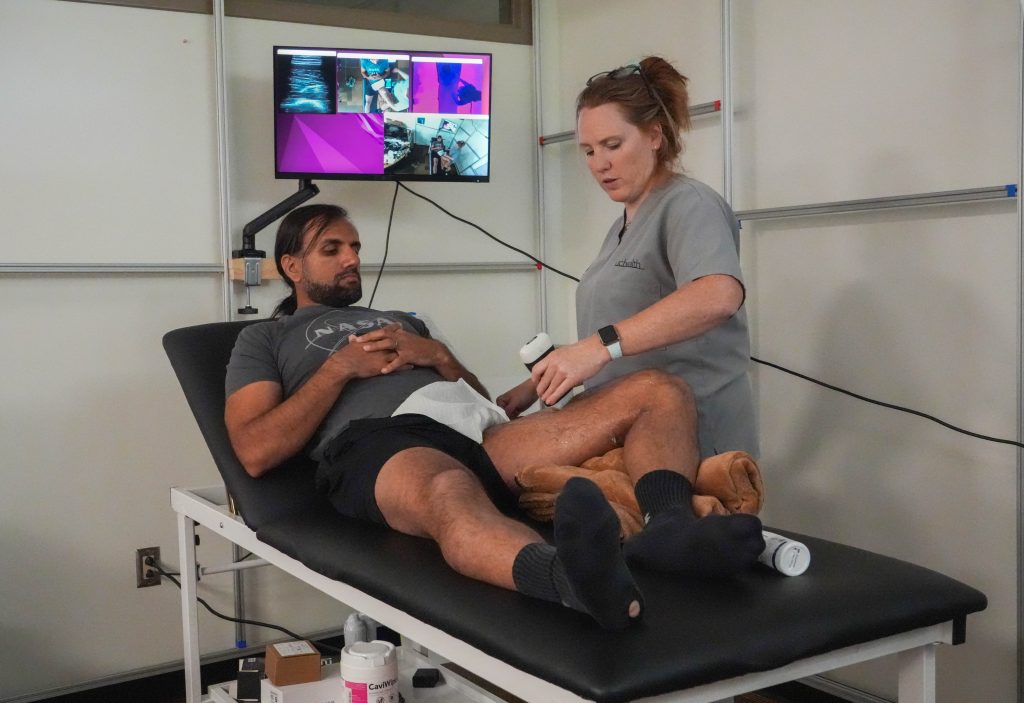
Krishnaswamy said the AI system may be able to provide detailed direction on how to perform needed procedures, such as an ultrasound, that generalist providers may not be fully familiar with.
“The AI system could also potentially intervene if it notices the provider misses a key step or suggest a course of treatment based on a task-checklist,” he said.
Human-robot collaboration and artificial intelligence research at Colorado State University
Other CSU faculty involved in the research project include professors Nathaniel Blanchard, Sarath Sreedharan, and Computer Science Department Chair Bruce Draper. Together, the team members represent a growing strength in the department around artificial intelligence and specifically with human-robot collaboration. That research area is becoming important not only to rural health, but across the world as robots increasingly work alongside humans on a variety of tasks as part of a team.
Draper will be involved in developing the computer vision side of this project. That work includes training computer systems to analyze and identify relevant information from digital images. For this project, that may look like tracking key steps such as the doctors washing their hands before starting treatment. If that doesn’t happen, the AI system may then intervene to prompt the provider to do so before moving on to treatment.
He said the project highlights an expertise in human-robot teaming research CSU has been developing since the 1990s.
“Researchers here have been studying the ways people react to and work with computers for decades. This project is a great example of where the work will likely go in the coming years as it begins to intersect with health care and other fields,” he said. “Integrating these systems presents an interdisciplinary challenge that speaks to our mission as a land grant university to support communities with the latest science that can have a tangible impact on their lives.”
The CSU team will be exploring two differing yet related challenges with designing an AI system for this project. The first is a set of technical restrictions that may keep the system from operating at all. That includes limited ability to connect to cloud-based systems from rural areas, as well as reduced onboard space for processing power. The tight workspace also likely limits where cameras can be set up to help AI systems capture and then analyze activity.
Krishnaswamy said the second challenge stems from the human elements involved in practicing medicine. Patients expect privacy in their discussion and may be hesitant to trust an AI system joining that dialogue – even if the advice is ultimately sound. Meanwhile, providers may struggle to collaborate with AI to make care decisions such as which procedures to pursue. Krishnaswamy said that can come down to building trust in the system’s ability to offer advice and explain how it got to that recommendation.
“My team has done a lot of research on the ways we can enable an artificially intelligent agent to better partner and monitor activity based on things like a subject’s gestures and verbal cues that can hint at their mental state, but this type of constrained environment adds a lot of complexity to those interactions,” Krishnaswamy said.
The prototype AI agent, called VIGIL for Vectors of Intelligent Guidance in Long-Reach Rural Healthcare, will eventually be shared with the project’s systems integration and medical teams for testing in clinical settings. Krishnaswamy said the CSU team plans to develop some of the initial AI systems over the next few months and that five students pursuing their doctorates at CSU would be working on the project.
He said it was hard to overstate the real-world impact of this program.
“As computer scientists, we don’t often get a chance to have such a direct impact in the lives of everyday people, but this project certainly does that,” he said. “It is great to see this technology out of the lab and potentially positively impacting people’s everyday lives.”
Partner institutions on this project include: Stevens Institute of Technology, Northeastern University, University of Pennsylvania, Purdue University, University of Rochester, Central Michigan University and the company RTX BBN. The overall grant research project is led by Professor Jason Corso at the University of Michigan.