Tenured Faculty 2025


Department of Biology
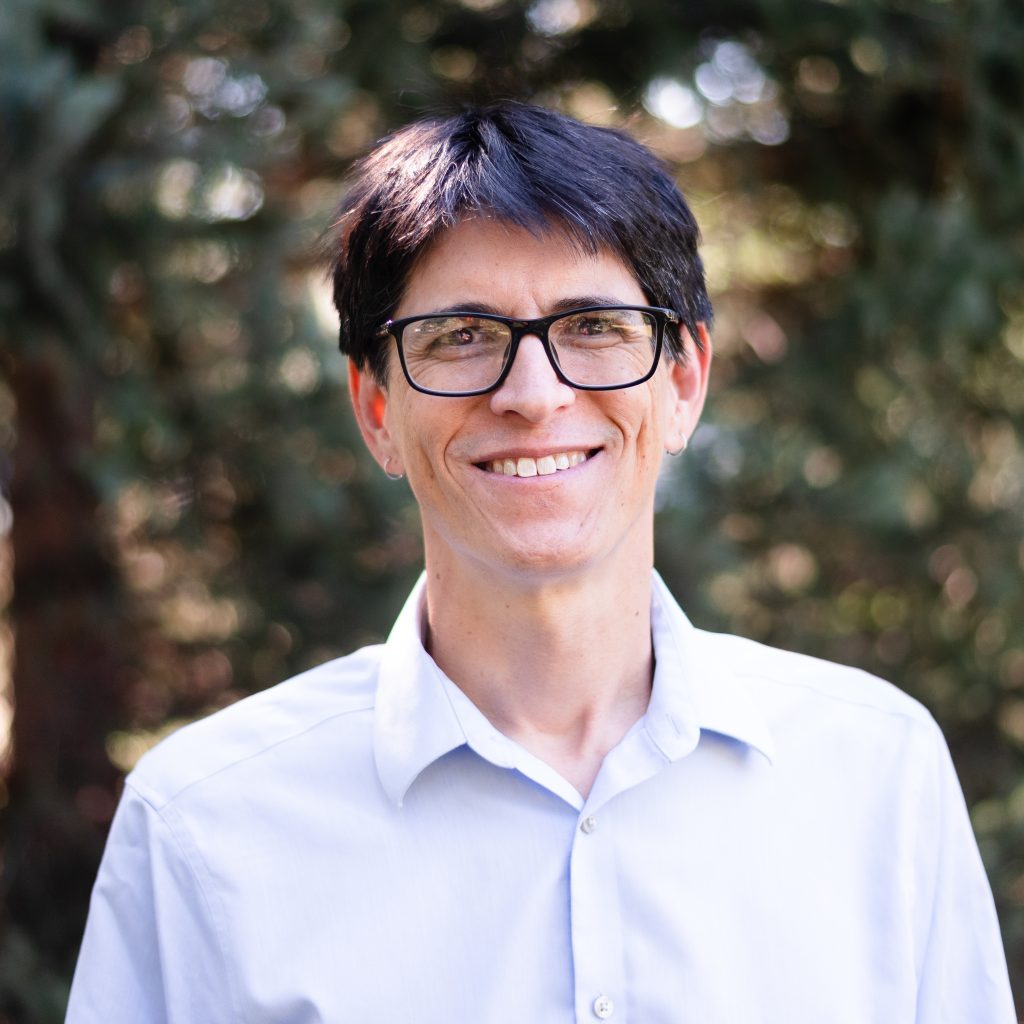
Marc Nishimura
Associate Professor
Marc Nishimura is an associate professor in the Department of Biology. He came to CSU in 2016 as a research scientist in the Osborne Nishimura Lab, before becoming a professor in the biology department in 2018. He was promoted to associate professor with tenure in 2023.
Nishimura studies plant innate immune receptors – intercellular proteins in plant cells that detect the presence of pathogens, or disease-causing microorganisms, like bacteria and viruses. Through his research, Nishimura has discovered that innate immune systems can operate similarly in humans, plants, and even bacteria. The overall goal in his research is to understand how innate immune receptors function across the tree of life and apply this knowledge to engineer immune systems to better combat disease.
Nishimura explains that by understanding plant immunity, one day we can engineer plants to perceive new pathogens. Through evolution, plants have developed receptors to protect themselves against a variety of pathogens. This “natural variation” in immunity has been used by plant breeders to protect crops. Through genetic engineering, it should be possible to make new receptors or adapt them from distantly related immune systems. He hopes that engineering receptors will offer a new tool to speed up the process of making disease-resistant crops.
Currently, Nishimura is exploring a particular class of immune receptors in cells. In his research, he studies a protein linked to cell death in prokaryotes, plants, and animals. Until recently, it was a mystery how this protein functioned in plants, but he found that it is an enzyme that removes NAD+ from cells, a chemical compound essential for metabolism, and converts it into a variety of signaling molecules, which activate an immune response. Related proteins drive a similar phenomenon in bacteria and the human brain’s response to traumatic injury. His next step is to figure out the consequences of degrading NAD+ from cells and the exact function of the diverse signaling molecules.
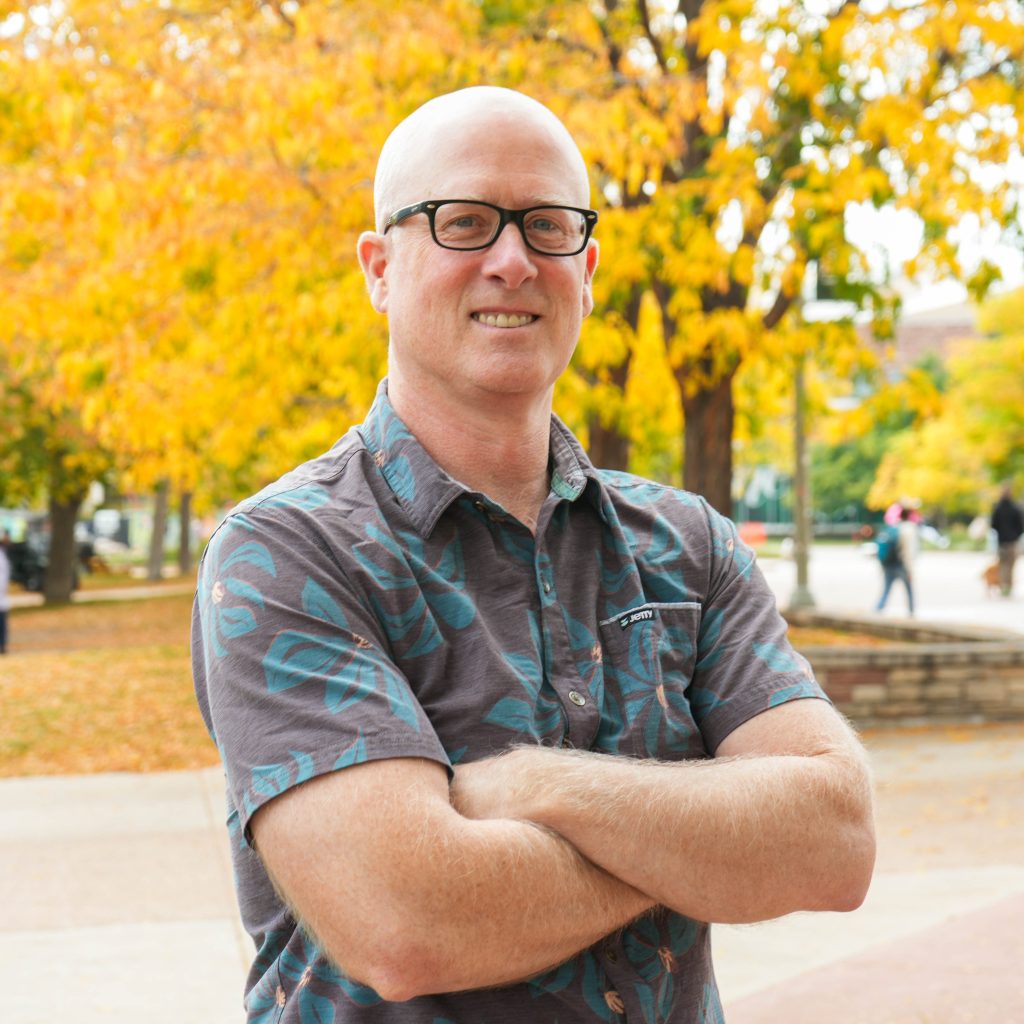
Cory Williams
Associate Professor
Cory Williams joined the biology department in 2021 and was promoted to associate professor in 2023 with tenure. His lab group seeks to understand how species respond and adapt to shifting “resource pulses,” or the seasonal availability of food, due to climate change. In the summer months, food resources are more prevalent, while in the cold and dark winter months, less food is available. Species’ breeding cycles are typically synced with resource pulses so that they breed at a time that coincides with ample food availability for feeding their offspring. As a result of climate change, resource pulses are happening earlier, and species are becoming misaligned.
Many of Williams’ studies take place in the Arctic where warming is nearly four times faster than the global average. Current research includes a study of Arctic ground squirrels initiated by his former postdoctoral supervisor in the 1990s, providing him with more than 30 years of data to study the species’ response to climate change. His research reveals that female squirrels are adapting to seasonal shifts and are ready to breed earlier in the season, but males aren’t, leading to a mismatch in timing.
A large part of what Williams and his team look at are animals’ neural mechanisms and the circannual or “seasonal” clocks that tell the animal when it’s time to breed and hibernate. Not only is it helpful to understand the species, but it may also be helpful for human research. For example, one of the ongoing studies in Williams’ lab looks at ground squirrels as a model for obesity. In preparation for hibernation, squirrels consume large quantities of food, becoming clinically obese. Right before hibernation, neural mechanisms in the brain shut down their drive to eat. Characterizing the neural mechanisms that control weight gain and loss in squirrels could one day help us in developing therapeutics to treat metabolic disorders in humans.
Department of Chemistry
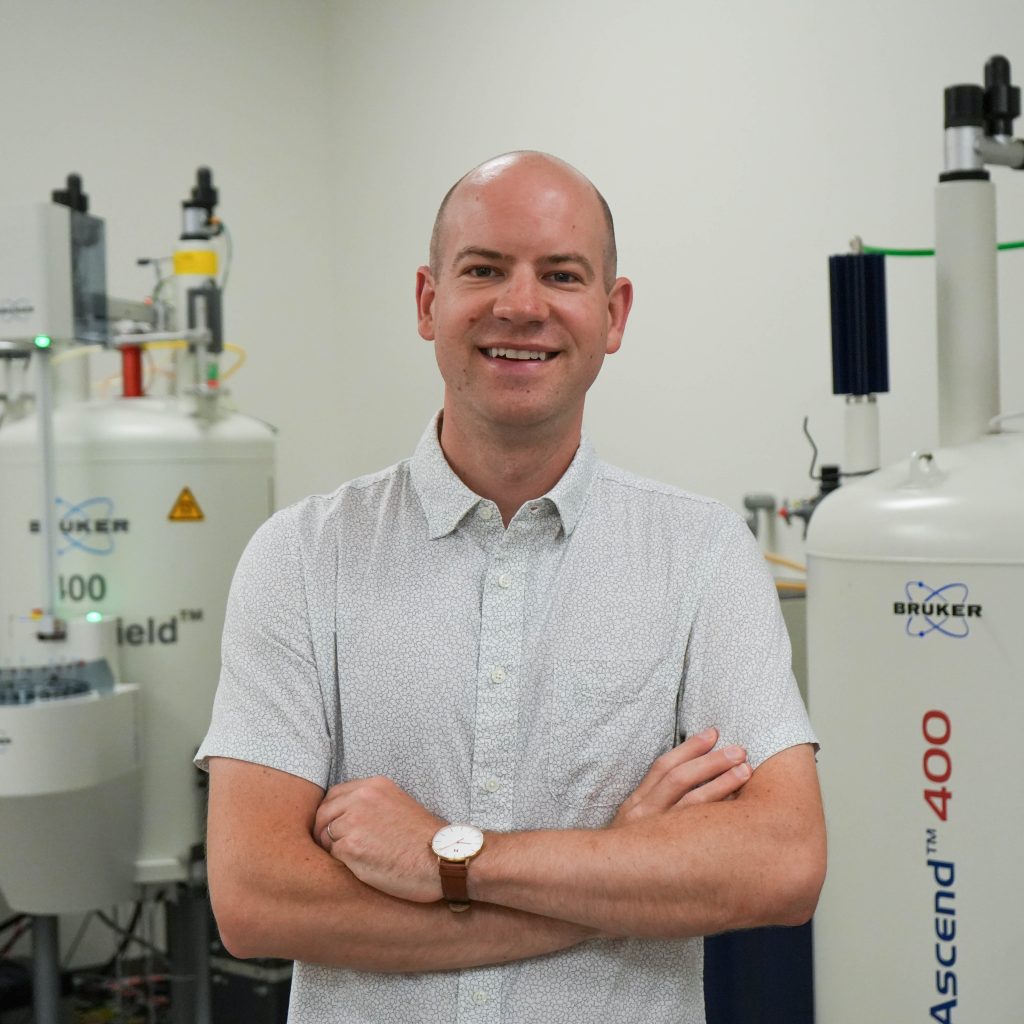
Jeff Bandar
Associate Professor
Jeff Bandar is a synthetic organic chemist who has been at CSU since 2017. Bandar was promoted to associate professor with tenure in 2024.
Chemicals are the building blocks of modern society – from the products we rely on in the agriculture industry to help crops grow to the medicines you buy at the pharmacy, many of the components were made possible by work done in a lab like Bandar’s. He explains that chemists have a “toolkit” of reagents and reactions they use as a roadmap to build new chemicals and bonds that never existed before. Bandar sees chemistry in two main parts: Discovery, which refers to designing molecules to have a desired beneficial property, like treating a certain disease, and scaling, which involves mass-producing the tested compound for commercial use.
Bandar’s research lab aims to create synthetic methods that advance both of these pursuits. In recent work, Bandar’s lab identified a new capability termed halogen acidity – the practice of replacing protons, the key component of acid-base chemistry, with halogens, such as bromine and iodine. This finding is especially useful when applied to carbon-hydrogen bonds, which are ubiquitous in common feedstock chemicals but not synthetically active, meaning they can’t typically be altered. Bandar’s approach allows chemists to transform carbon-hydrogen bonds into carbon-halogen bonds, thereby creating one of the most synthetically versatile and manipulatable bonds. This allows chemists to access new chemicals and improve the efficiency of manufacturing chemicals that may lead to the next pharmaceutical or agrochemical breakthrough.
The cycle of discovery is exactly what excites Bandar the most about chemistry. Uncovering new foundational understandings, such as halogen acidity, and using them as a jumping point to invent new chemical reactions, is at the core of scientific and societal advancement.
Department of Computer Science
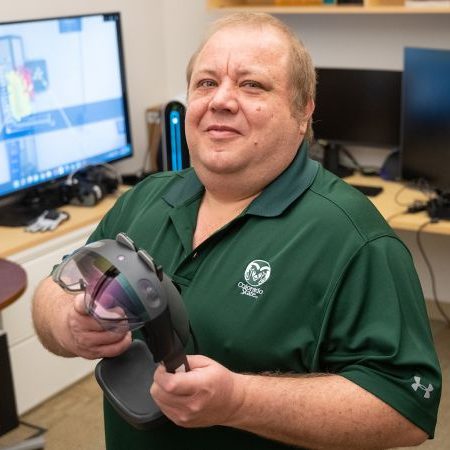
Francisco Ortega
Associate Professor
Francisco Ortega joined the computer science department in 2018 and was promoted to associate professor in 2024 with tenure. Ortega is the director of the Natural User Interaction Lab, a multidisciplinary group with members across a variety of disciplines and backgrounds.
His lab primarily creates and researches 3D user interfaces in extended reality (XR) environments, which include augmented reality (AR) and virtual reality (VR). NUILab studies how people interact with technology through their movements and gestures. Much of his work involves designing and creating gestures and applying them in immersive methods, such as drawing in VR.
Outside of gesture interaction in XR, Ortega’s lab develops projects that support mental health and accessibility. NUILab creates immersive VR experiences that have positive outcomes for patients with Alzheimer’s, cerebral palsy, deafness, and other disabilities. For example, immersive virtual forest experiences and systems designed for deaf online learners allow individuals to experience the benefits of exploration without the physical limitations and mental strain associated with disabilities.
Through his people-oriented approach to computer science, Ortega and his lab have attracted national attention, securing over $3 million in external and internal funding. His unique human-centered commitment has positive implications for the future of the role of XR-related technologies in improving the livelihoods of people around the world. Ortega is grateful for the work of all his current and former students, as well as the support of the Department of Computer Science.
Department of Physics
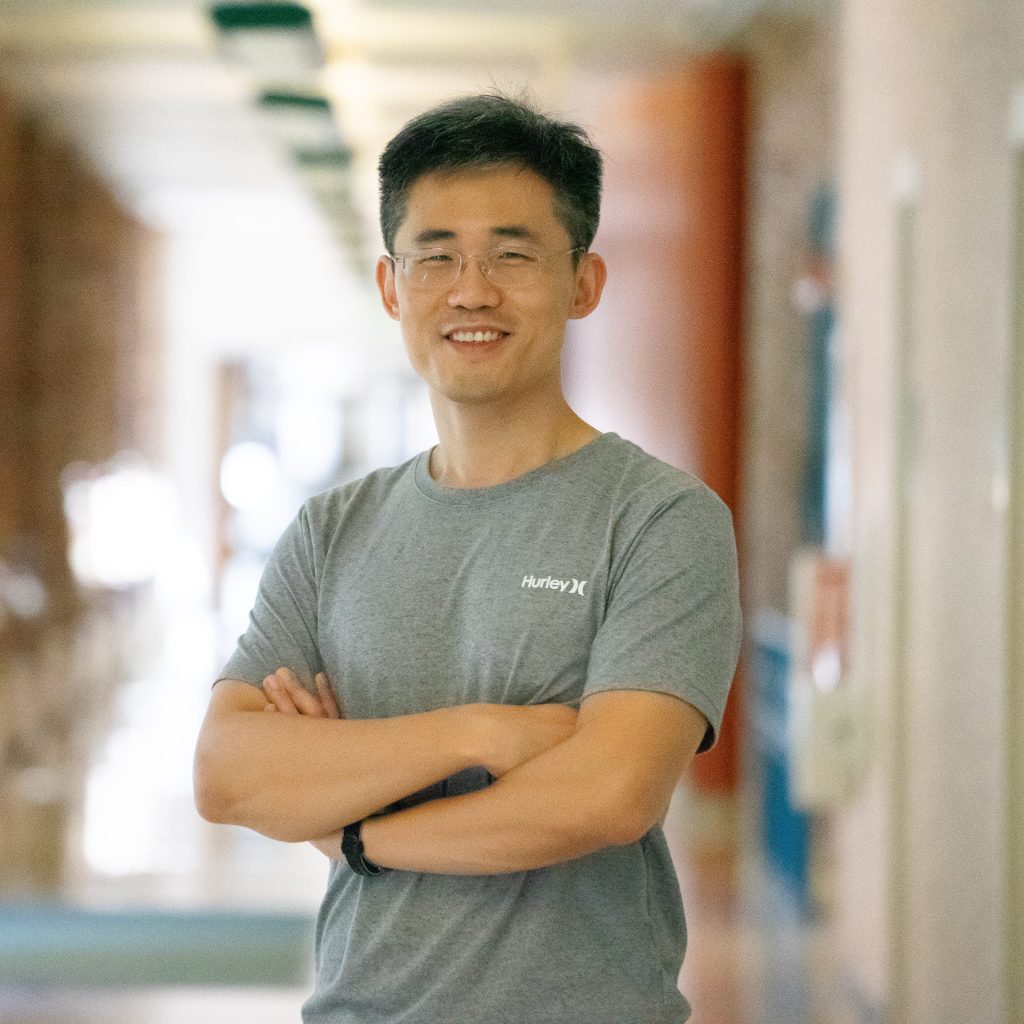
Hua Chen
Associate Professor
Hua Chen is a condensed matter and material theorist who began at CSU in 2017 and was promoted to associate professor with tenure in 2023. Chen uses theoretical and computational tools to study the behavior of electrons in materials. Many physical, mechanical, and chemical properties of materials, such as electrical conductivity and strength, trace back to the behavior of electrons within the material. Studying how individual electrons behave in the presence of external factors, such as electric or magnetic fields, can lead to new understandings that will shape the future of technology.
Chen’s area of focus is spintronics, a category of developing electronics technology that utilizes electron “spin” rather than charge to create voltage. Electrons possess an intrinsic property called “spin,” which gives rise to magnetism and enables entirely new ways of transmitting information in materials. Magnetic materials are already an important component of modern-day electronics, such as in your phone and computer, and new ways of controlling spin promise even broader applications. A major advantage of spin-based devices is that, unlike electric currents, spin currents have the potential to produce significantly less heat, making them more energy efficient. In recent work, Chen and his group showed how a new class of magnet called noncollinear antiferromagnets can be used to manipulate electron spin in unconventional ways. This research helped establish the emerging concept of “multipoletronics,” which treats complex spin arrangements as resources for new electronic responses.
Chen is fascinated by physics’ ability to uncover fundamental truths about the world around us. As a researcher, Chen strives to push the boundaries of what is known, developing symmetry-guided frameworks that reveal new physical principles and inspire future technologies.
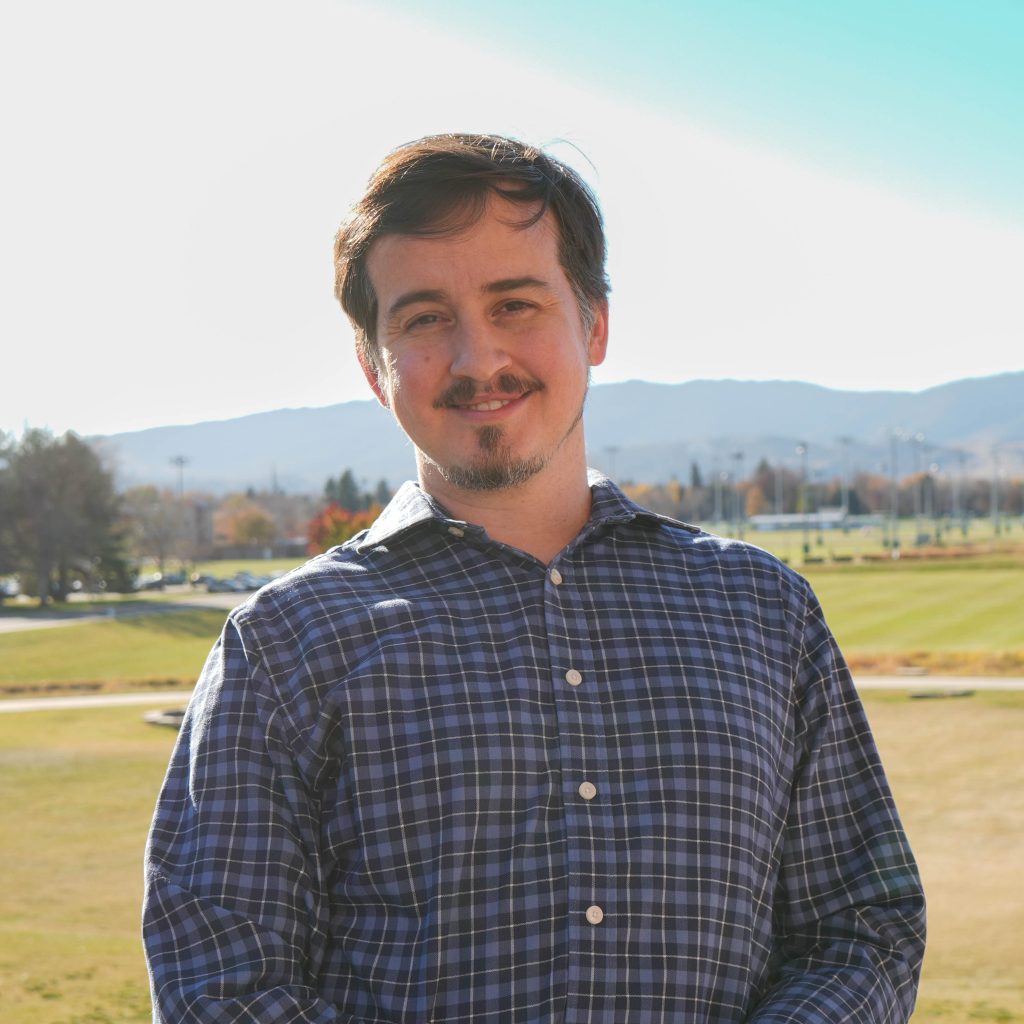
Michael Mooney
Associate Professor
Michael Mooney joined the Department of Physics in 2017 and was promoted to associate professor with tenure in 2023. As an experimental particle physicist, Mooney’s research centers around neutrinos. He describes neutrinos as chameleon-like particles that transform between three different types as they travel through space. By studying neutrinos, physicists like Mooney can answer fundamental questions about our universe.
One of the complexities of studying neutrinos is that they interact very weakly, meaning they don’t interact often with matter, making them difficult to detect. Physicists utilize particle accelerators to create an intense beam of neutrinos, allowing them to learn more about how they transform after being detected significantly far away from their production location. The identification of the neutrino type and precise measurement of the neutrino energy are both important in these studies.
Mooney is a part of the Deep Underground Neutrino Experiment, also known as DUNE, the largest North American particle physics experiment. Neutrinos will travel 1300 kilometers through the earth from Batavia, Illinois, to Lead, South Dakota, allowing physicists to study the transformation between the different neutrino types. He is also working on the Short-Baseline Neutrino program, where physicists are researching the potential existence of a fourth type of neutrino – a sterile neutrino. On both projects, Mooney serves as the principal lead for detector calibrations, which is necessary to make accurate measurements of the neutrino interactions in the detector.
Mooney sees a lot of opportunity for discovery in his neutrino research because while they’re the most abundant fundamental particles in our universe, they’re the fundamental particles we know the least about. He explains that while physics doesn’t always have an immediate application, physics can lead to bigger discoveries down the line and points to Einstein, whose work eventually enabled the invention of the Global Positioning System, or GPS. Mooney is also actively involved with the local Society of Physics chapter, an undergraduate student organization on campus. He’s passionate about supporting students and helping them find opportunities to explore physics both outside of the classroom and in the lab.
Department of Statistics
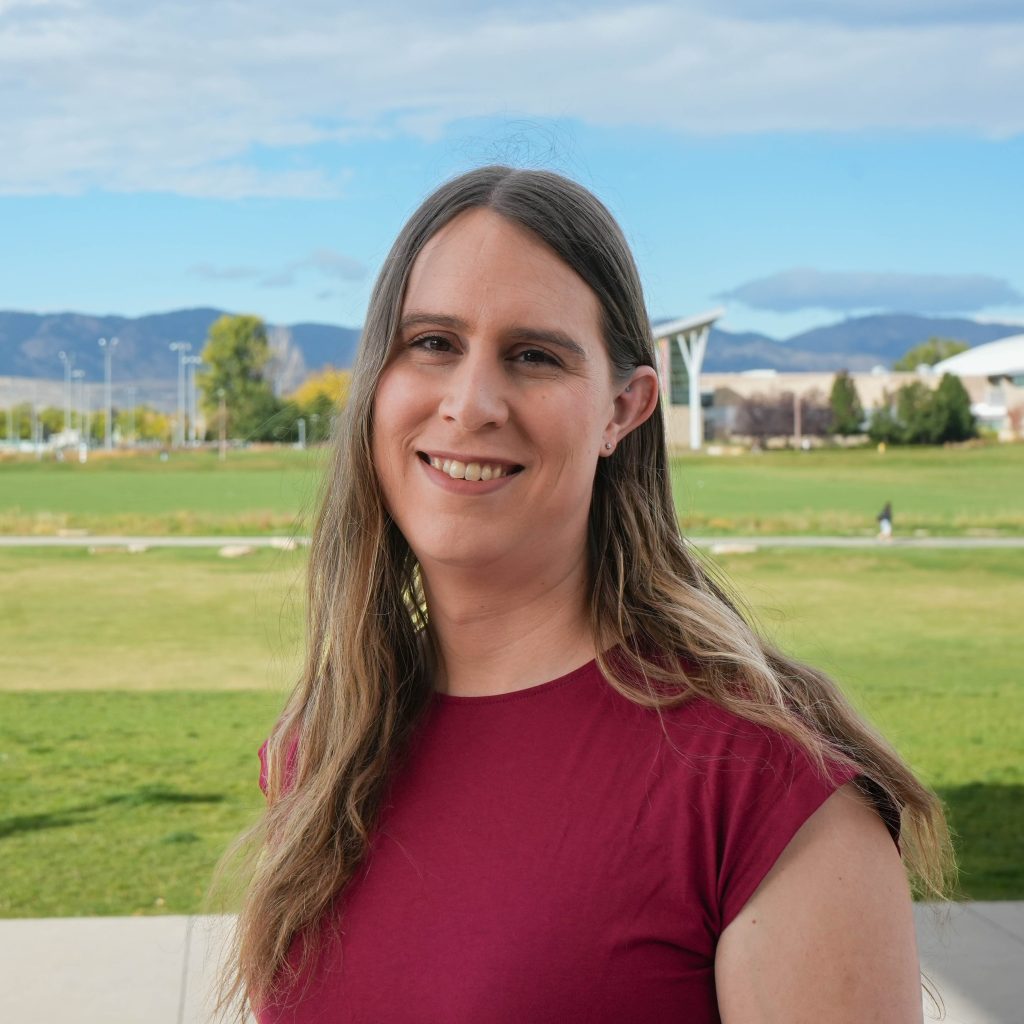
Kayleigh Keller
Associate Professor
Kayleigh Keller is an associate professor in the Department of Statistics who started at CSU in 2018 and was promoted to associate professor with tenure in 2024. As a biostatistician, Keller’s research interests lie at the intersection of statistics, public health, and the environment.
Over the past seven years, Keller has been a part of a wide variety of research projects, ranging from the effects of wildfire smoke on wildland firefighters’ reproductive health to understanding the effect various environmental and social factors have on aging. Most recently, Keller obtained a grant from the American Lung Association, in which she will lead of team of researchers analyzing data from the Household Air Pollution Intervention Network trial. HAPIN began in 2016 and is aimed at lowering indoor air pollution exposure from open-flame stoves by replacing them with liquid propane gas cookstoves. Her team will apply advanced statistical methods to determine the project’s impact on maternal and perinatal health outcomes.
Keller enjoys the process of discovery, especially in those “eureka” moments of running statistical analyses and finding relationships between variables. She finds it exciting when advanced statistics answers a question that targets improvements for public health. The work Keller and other biostatisticians do helps guide everything from individual choices to broader policy. Oftentimes biostatistics papers are incorporated into scientific summaries that inform public policy surrounding public health. Her research on outdoor air pollution has been included in documents used for the basis of air quality standards in the United States.
Read more about Keller and her research in Elements magazine.